hhj

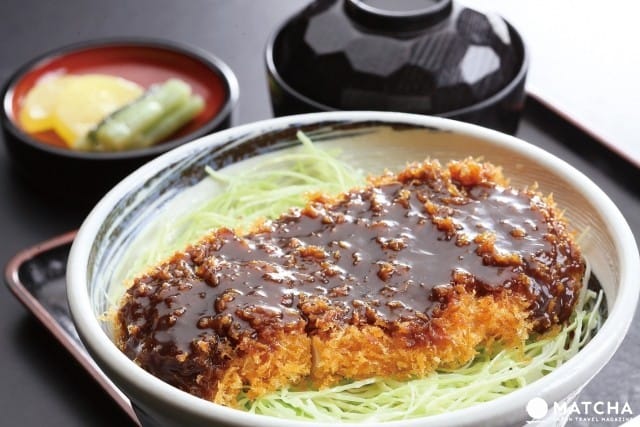
japanese food culture misokatsu

food -食べ物-

Japanese food Noodle dish  Soy sauce  Ramen is one of the most common noodle dishes in Japanese food. There are many flavors and ingredients (no, not instant noodles), but the most common ramen is made with soy sauce (soy sauce soy sauce). A large bowl of soy sauce ramen also contains a lot of ramen, bean […]

food -食べ物- Read More »

Temple of Japanese old culture

Religion -宗教-

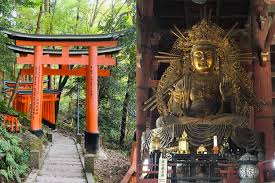
Buddhist statues in Japan         Regarding Japanese religion, there is an idea to grasp the characteristics of Japanese people depending on whether they are non-religious or natural religion. From another point of view, even Japanese who are not familiar with “religion” itself are familiar with “something like religion” in many ways. For

Religion -宗教- Read More »

Japanese culture cafe studying conversations

Meet new people -新しい人との出会い –

Meet new people         Japanese  Person 1: こんにちは。はじめまして。  Konnichi wa. Hajimemashite. Hello. Nice to meet you.  Person 2: はじめまして。おげんきですか。  Hajimemashite. O-genki desu ka? Nice to meet you.  How are you?  Person 1: はい、げんきです。  Hai, genki desu. I am fine.  Person 1: わたしは______ともうします。あなたのおなまえは?  Watashi wa ______ to moushimasu. Anata no o-namae wa? My name is ______.  What is your name?  Person 2: わたしは______といいます。よろしくおねがいします。  Watashi wa ______ to iimasu. Yoroshiku o-negai shimasu. My name is ______.  Pleased to make your 

Meet new people -新しい人との出会い – Read More »

Japanese language grammer the day of the week

Numbers, Time, and Days of the Week -数字、時刻、および曜日 –

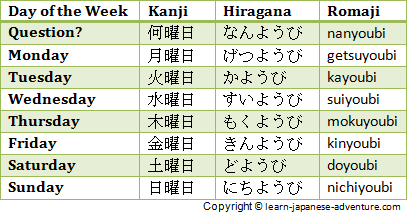
Japanese numbers, time, days of the week, etc.         Before we get too much further into Japanese grammar and verb conjugation, I thought it would be a good idea to teach Japanese numbers, time, days of the week, etc.  一 いち ichi one  二 に ni two  三 さん san three  四 し、 よん shi (yon after 10) four  五 ご go five  六 ろく roku six  七 しち、 なな shichi (nana after 10) seven 

Numbers, Time, and Days of the Week -数字、時刻、および曜日 – Read More »

Japanese language school vocabulary

Vocabulary-word -語彙-単語 –

Japanese has different levels of politeness depending on who you are talking to.         At least you’ve started learning the Japanese alphabet, so let’s learn basic vocabulary and simple Japanese phrases. Most Japanese words have kanji, but we usually only include kanji if the word is written that way.  少なくとも日本語のアルファベットを学び始めたので、基本的な語彙と簡単な日本語のフレーズを学びましょう。ほとんどの日本語の単語には漢字がありますが、その単語が通常そのように書かれている場合にのみ漢字を含めます。  日本語には、話している相手によって異なるレベルの礼儀正しさがあります。これらを「ウルトラフォーマル」、「フォーマル」(または「丁寧な形式」)、「通常」(または「プレーン形式」)、「非公式」、「失礼」と呼びます(これについても説明しません)。ただし、失礼な形式の多くは)。  Related

Vocabulary-word -語彙-単語 – Read More »

japanese grammar katakana letters

Katakana  -カタカナ-  

Katakana is mainly used for words borrowed from a foreign language.         レッスン1で述べたように、カタカナは主に、外国語の名前などの外国語や、Comp(kompyu-ta- = computer)などの他の言語から借用した単語に使用されます。カタカナは、日本語の3つの文字セットの中で最も使用頻度が低いものです。日本語は英語ほど多くの音がないので、たとえばカタカナで名前を作成するときは、名前を最も近い日本語に近い音にする必要があります。カタカナ、ひらがな、ふりがな(ひらがなを漢字の横に小さく書いて、その文字の読み方を示す場合)は、まとめてかなと呼ばれます。今のところ、カタカナについてはあまり心配しないでください(おそらくあなたの名前を学ぶことを超えて)。  外国の名前(シェ(彼女)やティ(ti)など)にのみ存在する特別なカタカナ文字がいくつかあります。これらの特殊文字は下の表にはありませんが(カタカナ文字の標準セットのみが含まれています)、日本語の名前のレッスンで見ることができます。  HH JapaNeedsYour tutor. Your time. Your location.https://hh-japaneeds.com/

Katakana  -カタカナ-   Read More »