
Sushi and Judo are well-known as universal words in Japanese, but it is no exaggeration to say that in the 2020s, “kawaii” is the most famous Japanese word.
So much so that “kawaii” has become a standard word in the world.
What is surprising, however, is how many ways it is used.
Although it is only one word, it can be transformed into many different words by simply adding a word before or after it.
In this article, I would like to explain the Japanese meaning of “kawaii” and its specific usage.

Click here to learn Japanese language with the best one-on-one Japanese tutoring lessons in online.
Meaning of “Kawaii かわいい(cute)”
In Japanese, “kawaii” has been used to mean “adorable or cute.
In English, it is similar to “cute” or “pretty.
In other words, “charming” has a similar meaning to “cute” or “pretty” in English.
Basically, it is used to compliment a woman, a man, or a child who has a slightly childish appearance that is slightly different from beautiful.
It is also often used to compliment animals that have a lovable appearance or behavior.
Cute” is also used to praise cartoon characters for their lovable appearance.
In Japanese, the word “kawaii” is sometimes written with the character “kawaii” (cute) in addition to “kawaii.

There are many other uses besides “kawaii.”
The Japanese word “kawaii” (cute) appears very frequently in everyday conversation.
You may use it dozens of times a day (or more), especially when you are enjoying leisure activities such as shopping, going to the zoo or aquarium.
Basically, if you just remember “kawaii” (cute), you will have no problem in daily conversation in a positive sense.
However, there are actually various words that utilize “kawaii” as well.
Kawaisou かわいそう
Kawai-sou” is a Japanese word meaning “pity” or “pitiful.
In some cases, it is written as “kawaii (pity).
Kawai-garu かわいがる
“Kawai-garu” means to feel cute and treat someone gently.
It can also be described as “可愛がる: kawai-garu”.
Also, depending on the way you say it and your attitude, it can also mean something like, “Kawai-gatte yare: Take care of yourself.”
Kawai-ge かわいげ
The word “kawai-ge” means “to have a cute side,” as in “a person with a cute side.
In some cases, it is written as “可愛げ: kawai-ge”.
However, in the word “kawai-ge ga nai”, it is used as a negative meaning, such as “kawaii tokoro ga nai: there is no cute part”.
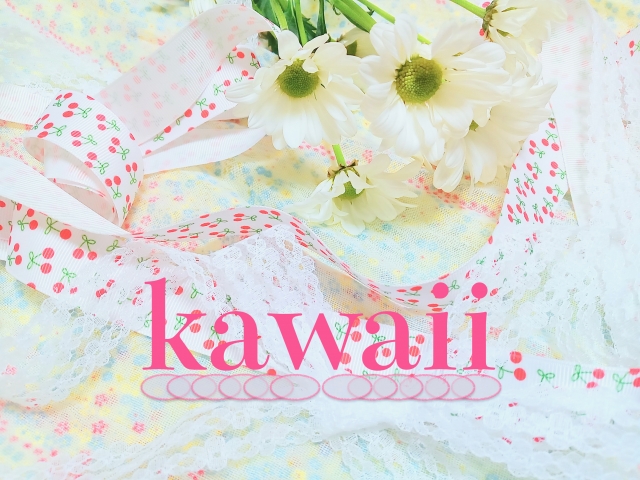
Many expressions add a word before or after the “kawa” in “kawaii”.
The aforementioned words related to kawaii have long been recognized and used as part of Japanese culture.
However, since 2010, various “coined words” related to cute have been created mainly by young people, and nowadays, not only young people but also people in their 30s and 40s are using them as a matter of course.
Oni-kawa おにかわ
Oni-kawa” is a word used to mean “Totemo kawaii: very cute.
It is an abbreviation of “Oni no youni kawaii: cute as an ogre,” meaning so cute that no one can compete with it.
Guu-kawa ぐうかわ
Guu Kawa” means “so cute that you can’t even hear a sound “guu”.
Mecha-kawa めちゃかわ
“Mechakawa” is an abbreviation of “mecha-mecha kawaii”, which means “so cute” in Japanese.
In Japanese, “mech-kucha” means “out of the ordinary” or “in a confused state”.
In short, it is a compliment to say “so cute that it is out of the ordinary”.
Kakko-kawaii かっこかわ
Kakko-kawaii” is a word used for something or someone that is both “cool” and “cute.
Busu-kawa ぶすかわ
Busukawa” means “ugly but cute.
It is also sometimes called “busa-kawa ぶさかわ.
In Japanese, “ugly” is basically a negative word, but adding “kawaii(cute)” gives it a positive meaning.
It is used to mean “cute in an unkempt, unkempt way.
Kimo-kawa きもかわ
The word “kimo-kawa” means “somehow cute in an unpleasant way.
The word “creepy” is a negative word, but like “busu-kawa,” it has a positive connotation by adding “kawaii” (cute)”.
Guro-kawa ぐろかわ
Guro-kawa” is a word meaning “grotesque but cute.
For example, some people find grotesque-looking things such as deep-sea fish and insects cute because of their quirks.
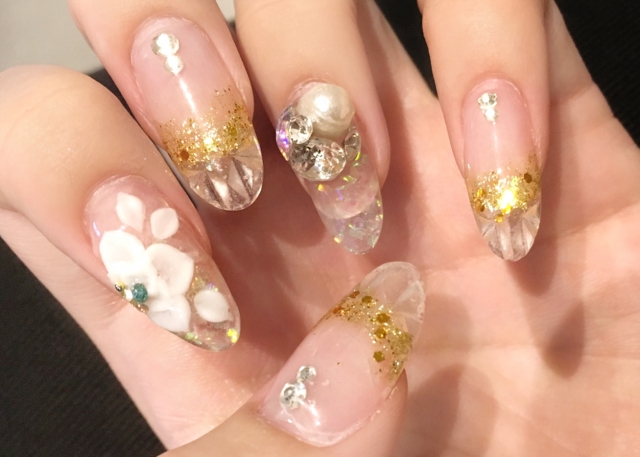
In Japan, there is a saying “kawaii is justice”.
Since “kawaii” is basically a word of praise, there is no problem in using it positively.
Especially when used to address women, it is sure to be greatly appreciated. (Be careful not to use it too much or it will seem like you are hitting on her.)
In Japan, cute people and things are often recognized as being more attractive than anything else, so it is sometimes called “cute is justice”.
Conclusion
In this article, we have explained the Japanese meaning of “kawaii(cute)” and its specific usage.
With its positive meaning, “kawaii” has become a word used all over the world.
Especially in Japan, it is a good thing to remember it, as it appears frequently in daily conversation.
Why not try using it in real life when you stay in Japan for business or private purposes?
Related article: