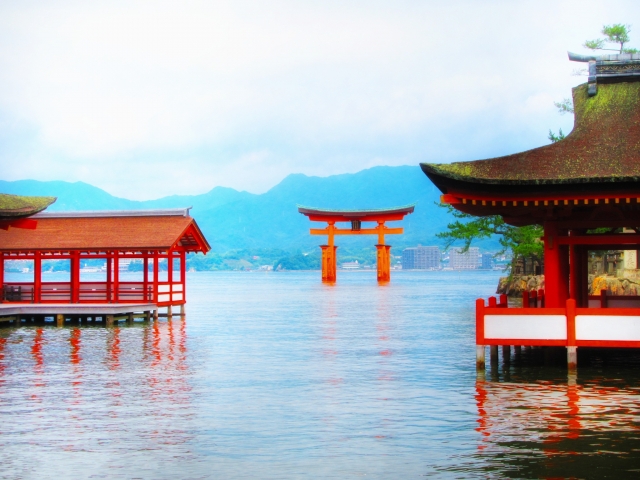
Even if it is commonplace to Japanese people, it may come as quite a surprise to foreigners.
First-time visitors to Japan may experience culture shock.
In this article, we would like to explain the “culture shock ranking that foreigners feel in Japan.

Click here to learn Japanese language with the best one-on-one Japanese tutoring lessons in online.
Culture Shock Ranking by Foreigners in Japan
Let’s take a look at the common knowledge in Japan that is most likely to cause culture shock in the form of a ranking.
Even if you know about them beforehand, you may be surprised when you actually see them.
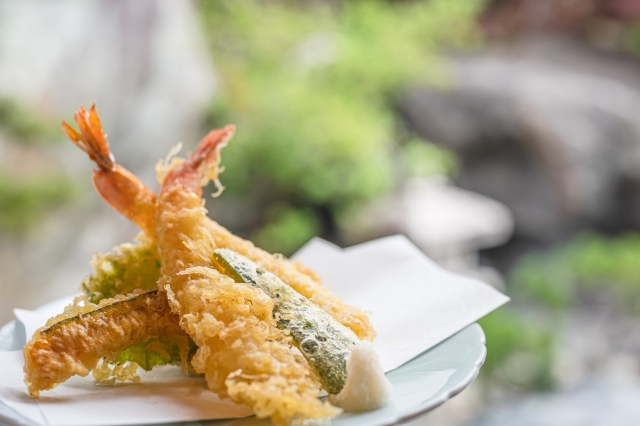
No. 1: Many delicious dishes
Japan is known as a country of gastronomy.
There are Japanese restaurants in other countries, but the food you will find in Japan is on a different level.
This is partly because of the skill of the chefs and partly because of the fresh, seasonal ingredients.
Sushi, tempura, sukiyaki, hot pot, ramen, udon, soba, sashimi, eel, takoyaki, and other dishes are all of high quality.
First-time visitors to Japan will experience culture shock at a high rate.
No. 2: Noisy slurping of noodles
Japanese food is one of the main attractions for visitors to Japan.
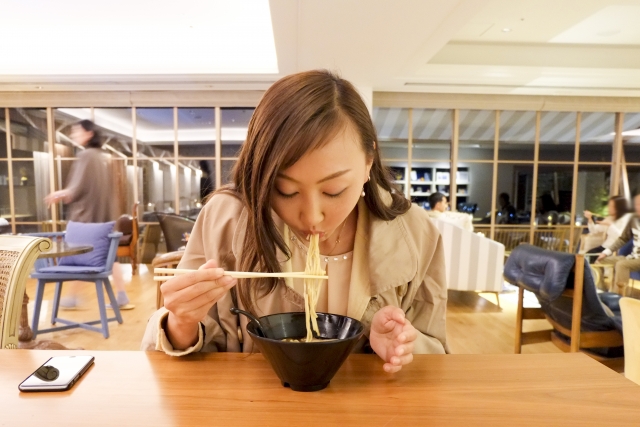
There are many delicious dishes, some of which are called “noodle slurping.
Udon, soba, and ramen are some of the most common examples.
In the West, pasta is eaten without making a sound, but in the case of Japanese udon, soba, and ramen, slurping is the standard.
Some people are quite shocked when they actually see this.
If you find the act of eating noisily repulsive, it is best not to go out to eat these dishes.
No. 3: Everything is Small Size
More than 120 million people live in Japan, most of them in urban areas such as Tokyo, Osaka, Nagoya, Sapporo, Kanagawa, and Fukuoka.
Because of the extremely high population density, restaurants, hotel rooms, roads, and houses are all made in small sizes.
Also, the “height” is very low because it is made based on the height of Japanese people.
For those who are taller than 185 cm, they may feel a little cramped.
No. 4: Few people can speak English.
Japan is a developed country with a high level of education.
Nevertheless, the fact that so few people speak English seems to be a culture shock to many people.
There are even cases where people go into a store to do some shopping, only to find that none of the staff speaks English and they have a very difficult time doing so.
In recent years, the number of people who can speak English has been gradually increasing, but it is still low overall.
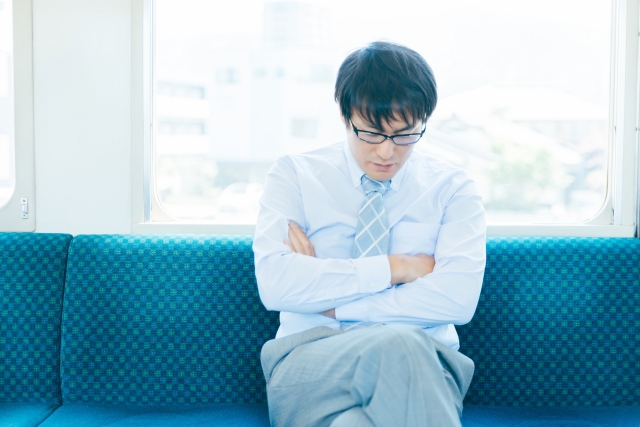
No. 5: Dozing off on trains, etc.
In Western countries, it is not common to doze off in public.
However, in the case of Japanese, many people doze off on trains, in parks, cafes, etc.
Japanese people have little resistance to the act of sleeping in public.
A major factor is that there is little risk of being pickpocketed even if you are asleep.
Another reason may be that “Japanese people work too hard and are always tired.
No. 6: Everyone obeys traffic rules.
Many countries in the world have traffic signals, but it is not always the case that they are perfectly obeyed.
In some countries, it is not safe to cross the street even when there is a green light, but in Japan, almost everyone obeys traffic signals well.
The same is true for things such as car speed and lane changes.
There are a few people who drive in an insane manner, but basically, most people obey traffic rules to some extent.
First-time visitors to Japan will probably experience culture shock at the seriousness of the situation.
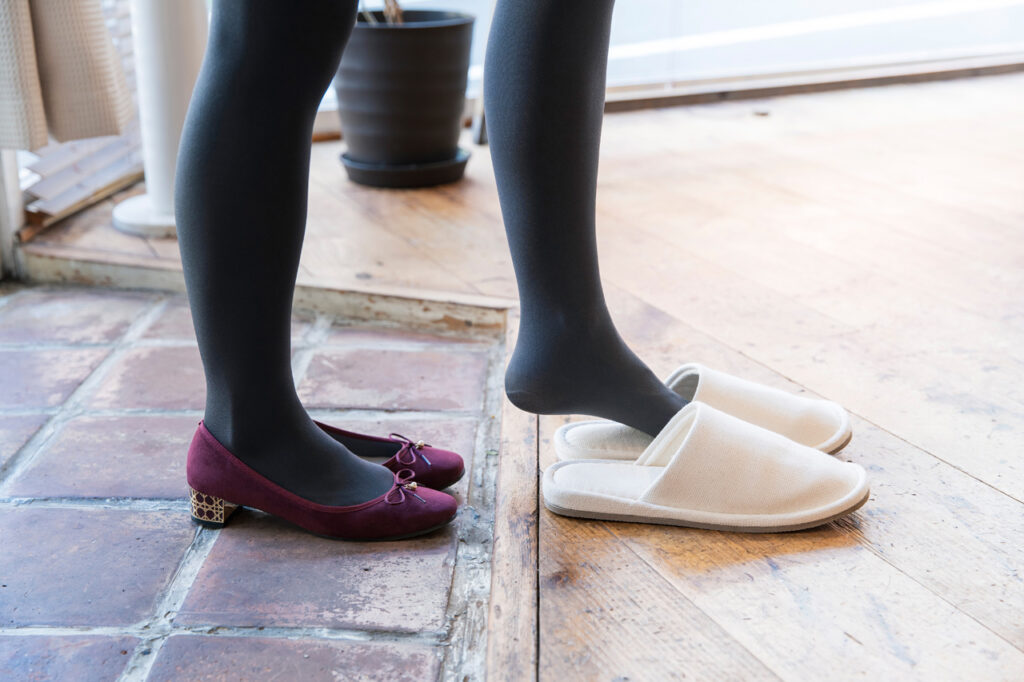
No. 7: Shoe-removal culture
It is well known that Japanese people take off their shoes indoors, but you will be surprised to see it in person.
It is also a culture shock to see people eating and drinking without shoes, not only at home, but also in “ozashiki” rooms such as Japanese restaurants and izakaya (Japanese style pubs).
For Japanese people, it is totally acceptable to be sockless in public, but for foreigners, it must seem unbelievable.
No. 8: No tipping, but store clerks are serious.
For people from the U.S. or India, it must be a culture shock to see store clerks working diligently even though they do not receive tips.
They would also be surprised to see a cashier at a supermarket, for example, standing all the time, even though the job can be done sitting down.
In Japan, students and housewives who work part-time are also “serious”.
Conclusion
In this article, we have explained the “culture shock ranking that foreigners feel in Japan.
- No.1: Too many delicious dishes
- No. 2: Noisy slurping of noodles
- No. 3: Everything is small in size.
- No. 4: Few people speak English.
- No.5 : Dozing off on trains, etc.
- No.6 : Everyone obeys traffic rules.
- No.7 : Take off your shoes.
- No.8: No tipping, but store clerks are serious.
These are the points that foreigners find culture shocking when they visit Japan.
Why don’t you visit Japan and experience them for yourself?
Related article: